
Receive and identify
Create a clear landing point for inspection, labelling and assigning every SKU to a defined location.

Organise labelled bins, boxed components, workshop supplies and customer-facing stock with one modular wire shelving system — from goods-in to the service counter.
Automotive stock varies in size, weight and rate of use. A clear route from receiving to picking helps teams keep locations readable and replenishment practical.
Create a clear landing point for inspection, labelling and assigning every SKU to a defined location.
Group bins and boxed parts by product family, vehicle range or turnover, with frequently picked stock at an ergonomic height.
Bring prepared parts to the workshop, counter or dispatch area, then replenish the pick face without rebuilding the whole layout.
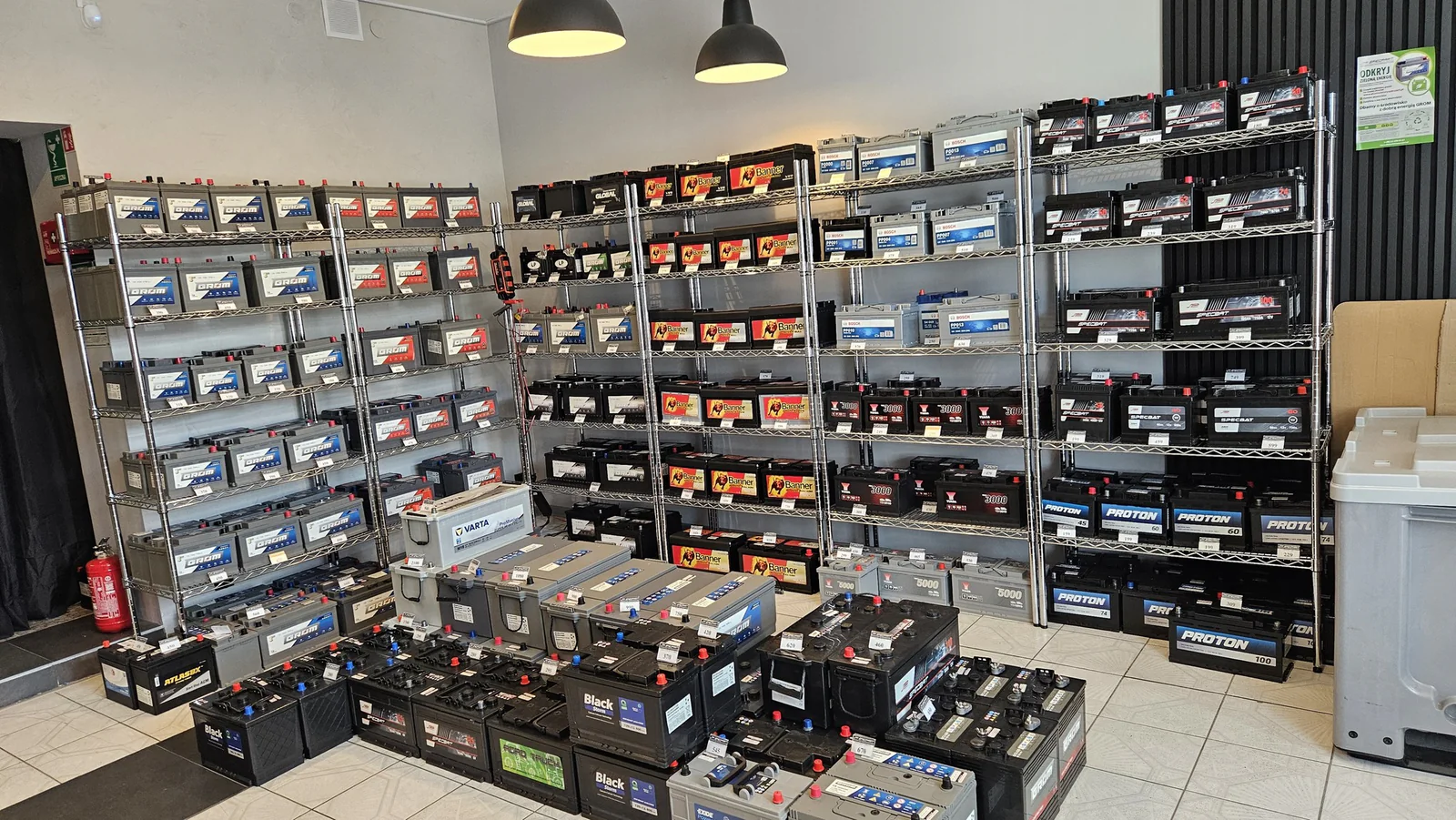
These images show Ultra Power Chrome shelving in an operating automotive battery store. Product type, load distribution and local safety procedures must always be assessed for the actual site.
Use labelled bins and dedicated shelf positions for filters, bulbs, fasteners, clips and other small components.
Keep boxed service parts and sealed consumables close to the point of use without crowding the work bay.
Present accessories and packaged maintenance products on an open structure that keeps labels visible.
Configure repeatable pick locations for order preparation, replenishment and dispatch.
Most automotive parts rooms and retail interiors are dry. If condensation or persistent humidity is part of normal operation, specify the finish for those actual conditions.
Choose Chrome for dry indoor workshops, parts rooms, dealership backrooms and customer-facing display without persistent humidity or condensation.
Explore Chrome shelving →Consider noMICRO where cold, condensation or persistent humidity is expected. Contact with automotive fluids alone does not determine the finish; storage and cleaning procedures still apply.
Explore noMICRO shelving →Standard shelving does not replace approved cabinets, secondary containment, ventilation, fire protection or site procedures. Flammable liquids, damaged or leaking batteries and other hazardous materials require storage selected for the substance and applicable rules.
Adjust shelf levels, add another bay or rebuild the arrangement as ranges and order volumes change. The open wire structure keeps labels and containers visible from the aisle.
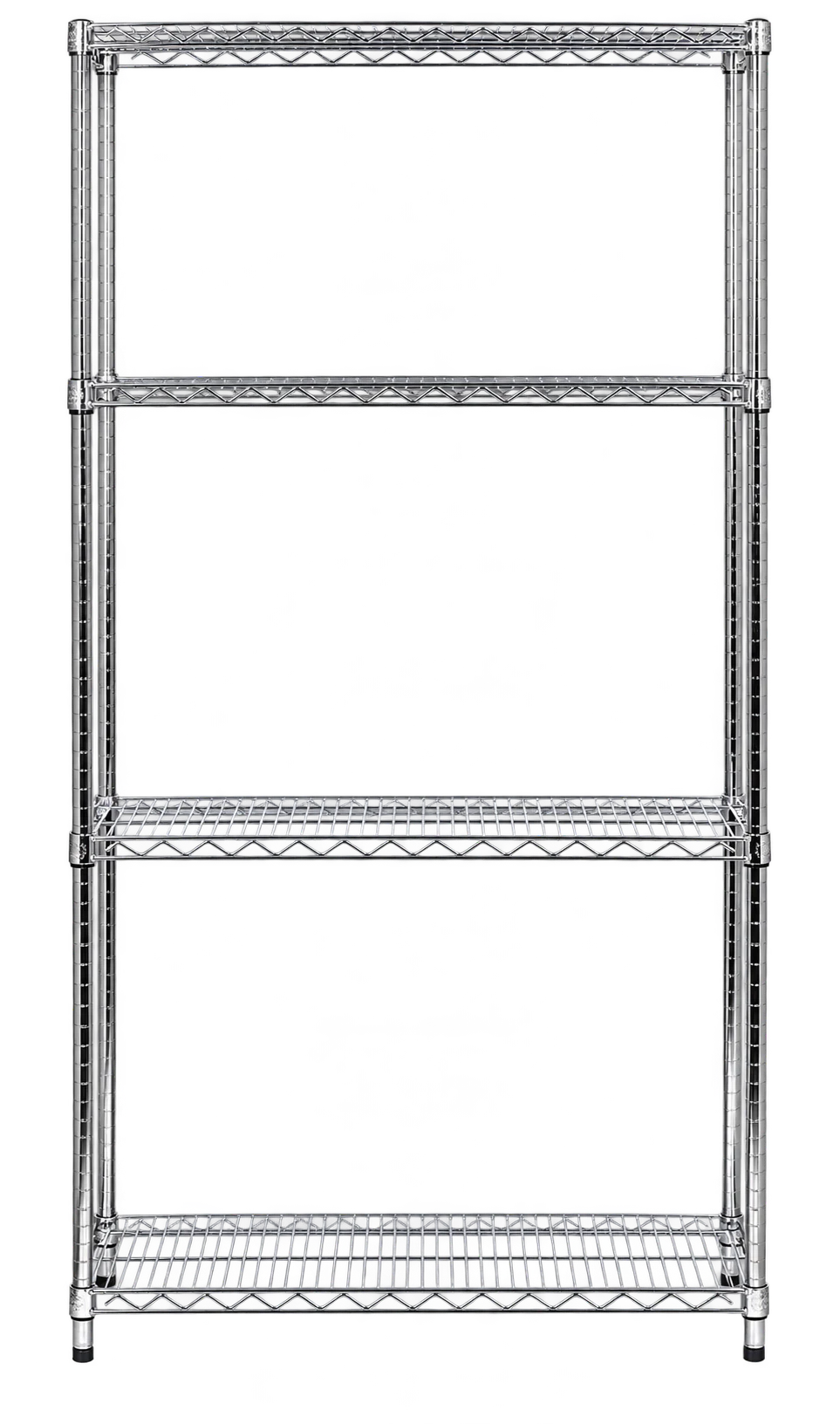 Shelf levels reposition in 25 mm increments without tools.
A useful automotive layout comes from the stock profile and the way people move through the room, not from filling every wall with identical bays.
List bins, cartons, sealed consumables and exceptional items, including their dimensions and individual weights.
Place high-frequency items within comfortable reach and heavier stock on lower levels.
Identify moisture, condensation, cleaning agents and any substances that require dedicated compliant storage.
Plan spare shelf positions, adjoining bays and replenishment access for new ranges and seasonal demand.
Yes. Shelf levels can be adjusted in 25 mm increments around compatible bins and cartons. Bin capacity, stability and access should be checked as part of the configuration.
A shelf can carry up to 270 kg when the load is evenly distributed. A correctly assembled stationary rack can carry up to 950 kg depending on its configuration.
Yes, particularly for dry parts rooms, workshop backrooms, dealership stock and packaged retail products. Layout and finish should match the actual environment and procedures.
Heavier stock should normally be kept on lower levels and distributed evenly. Check individual item weight, manual-handling needs, floor condition and the capacity of the complete configuration.
Yes. Additional shelf levels or adjoining bays can be added, and existing levels can be repositioned without tools.
Not by default. Flammable, leaking, damaged or otherwise hazardous products may require dedicated cabinets, containment, ventilation and site-specific procedures. Follow the product safety data and applicable local rules.
Send room dimensions, stock groups, container sizes, typical weights and picking frequency. We will help define bay widths, shelf levels and a configuration that can grow with the operation.

